Why Visit Kenya?
Kenya offers one of the most complete travel experiences in Africa. It is not only a safari destination, but a country of landscapes, cultures, coastlines and conservation areas that can be combined in many different ways.
The main reason most travellers visit Kenya is for wildlife. The country is home to the Big Five, the Great Migration, large elephant herds, rhino conservation areas, big cats, rare northern species, and more than a thousand bird species. Whether you are visiting the Masai Mara, Amboseli, Samburu, Tsavo, Ol Pejeta or Lake Nakuru, wildlife is central to the experience.
Kenya is also visually powerful. The scenery changes dramatically from region to region. The Masai Mara offers rolling savannah and river systems. Amboseli is famous for Mount Kilimanjaro views. Samburu has dry northern landscapes and the Ewaso Nyiro River. Tsavo stretches across huge areas of red earth, volcanic hills and open wilderness. Lake Naivasha and Lake Nakuru bring in the softer beauty of the Great Rift Valley.
Another reason Kenya stands out is accessibility. Nairobi is one of East Africa’s major travel hubs, and many safari circuits can begin and end there. Mombasa also provides access to coastal holidays and southern safari routes, especially Tsavo and Amboseli. This makes Kenya a strong choice for travellers who want a short safari, a longer multi-park adventure, or a bush-and-beach combination.
Kenya also offers variety in travel style. You can experience a luxury fly-in safari, a private guided road safari, a family-friendly lodge safari, a conservation-led itinerary, a photographic safari or a classic mid-range game drive safari. This flexibility makes Kenya suitable for honeymooners, families, first-time safari travellers, photographers, adventure travellers and luxury guests.
Where Is Kenya?
Kenya is located in East Africa and borders Tanzania, Uganda, South Sudan, Ethiopia, Somalia and the Indian Ocean. Its position makes it a natural gateway into East Africa and a strong base for regional combinations with Tanzania, Uganda, Rwanda or the beaches of the Indian Ocean.
The capital city is Nairobi, which is also the main international arrival point for most safari travellers. Nairobi is unique because it sits close to Nairobi National Park, allowing visitors to experience wildlife without travelling far from the city.
Mombasa, on Kenya’s coast, is another important gateway. It is ideal for travellers combining beach holidays with safari experiences in Tsavo East, Tsavo West or Amboseli.
Main International Gateways
Nairobi – Jomo Kenyatta International Airport
Best for most Kenya safari itineraries, especially Masai Mara, Amboseli, Samburu, Ol Pejeta, Lake Nakuru and Lake Naivasha.
Mombasa – Moi International Airport
Best for beach holidays and southern safari circuits including Tsavo East, Tsavo West and Amboseli.
Best Places to Visit in Kenya
Kenya has many safari regions, and the best choice depends on your budget, travel dates, wildlife goals and available time. Some travellers want the Masai Mara because it is famous. Others prefer less crowded destinations such as Samburu, Tsavo or private conservancies. For the best experience, many itineraries combine several regions so that the landscapes and wildlife change throughout the trip.
Masai Mara National Reserve
The Masai Mara is Kenya’s most famous safari destination and one of the most celebrated wildlife areas in Africa. It forms part of the greater Serengeti-Mara ecosystem, which stretches between southern Kenya and northern Tanzania.
The Mara is known for wide open grasslands, big cat sightings, exceptional wildlife density and the annual Great Migration. It is one of the best places in Africa to see lions, cheetahs, elephants, buffalo, giraffes, hyenas, zebras and wildebeest. Leopards are also present, although sightings depend on timing, guiding and luck.
For first-time safari travellers, the Masai Mara is often the classic choice because it delivers the safari experience most people imagine: open plains, dramatic skies, predator action and large numbers of animals. Game drives are the main activity, usually taking place in the morning and afternoon when wildlife is more active.
The Great Migration is one of the Mara’s biggest attractions. During the migration season, huge herds of wildebeest and zebra move into the Masai Mara from the Serengeti in search of fresh grazing. River crossings can happen during this period, although exact timing varies every year depending on rainfall and herd movement.
The Mara is also a year-round safari destination. Even outside the migration months, the resident wildlife is excellent. This makes it a strong option for travellers who cannot visit during peak season but still want high-quality game viewing.
Best for:
- First-time safari travellers
- Big cat sightings
- Great Migration travel
- Classic Kenya safari experiences
- Photographers
- Short safari itineraries from Nairobi
Suggested Map2Africa itineraries:
- Masai Mara Explorer
- Highlights of Kenya Safari
Amboseli National Park
Amboseli National Park is one of Kenya’s most scenic safari destinations. It is famous for its large elephant herds and its views of Mount Kilimanjaro, which rises across the border in Tanzania.
For many travellers, Amboseli is the place to experience one of Africa’s most iconic safari scenes: elephants walking across open plains with Kilimanjaro in the background. On clear mornings, the mountain can create exceptional photographic conditions.
Amboseli’s landscape includes open plains, acacia woodland, swamps, marshes and dry lakebed areas. These habitats attract a wide variety of wildlife including elephants, giraffes, zebras, wildebeest, buffalo, lions, cheetahs, hyenas and many bird species.
The park is particularly rewarding for elephant lovers. Amboseli is known for close elephant encounters, and its big tuskers are a major highlight. The open terrain also makes it easier to observe animal behaviour and capture strong wildlife photography.
Amboseli works well as a standalone short safari, especially for travellers with limited time. It also combines well with Tsavo East, Tsavo West or a longer Kenya safari route that includes the Masai Mara.
Best for:
- Elephant viewing
- Mount Kilimanjaro photography
- Short safaris from Nairobi
- Family safaris
- Wildlife photography
- Southern Kenya safari routes
Suggested Map2Africa itineraries:
- Amboseli Luxury Safari
- Southern Circuit Safari
Tsavo East National Park
Tsavo East is one of Kenya’s largest and oldest national parks. It is known for its vast wilderness, open landscapes and famous red elephants, which often appear dusted in the region’s rich red soil.
The park has a very different feel from the Masai Mara. It is larger, wilder and often less crowded. Game drives here can feel more remote, with long stretches of bush, open plains, dry riverbeds and dramatic scenery.
Tsavo East is home to elephants, lions, buffalo, giraffes, zebras, antelope, hippos, crocodiles and a wide variety of birdlife. Wildlife can be more spread out than in smaller reserves, but the sense of space and wilderness is part of the appeal.
For travellers staying on the Kenyan coast, Tsavo East is one of the most accessible safari options. It can be combined with Tsavo West or Amboseli for a southern circuit safari that starts or ends in Mombasa or Diani.
Best for:
- Travellers from Mombasa or Diani
- Red elephant sightings
- Wide open wilderness
- Less crowded safari experiences
- Southern Kenya safari circuits
Suggested Map2Africa itinerary:
Tsavo West National Park
Tsavo West is known for its volcanic scenery, rugged hills, lava flows, springs and varied landscapes. It is often paired with Tsavo East, but the two parks feel very different.
Where Tsavo East is open and expansive, Tsavo West is more dramatic and textured. The terrain includes rocky outcrops, bushland, volcanic features and green pockets of water-fed habitat. This makes it one of Kenya’s most visually interesting safari areas.
Game drives in Tsavo West may include sightings of elephants, giraffes, buffalo, zebras, antelope, predators and birdlife. Because the vegetation can be thicker in places, wildlife viewing may require patience, but the landscape rewards travellers who enjoy scenery as much as animal sightings.
Tsavo West is also a strong choice for a shorter safari from Mombasa or Nairobi. It is especially useful for travellers who want a compact safari experience without flying into the Masai Mara.
Best for:
- Scenic game drives
- Short safaris from Mombasa or Nairobi
- Southern Kenya routes
- Travellers wanting a different landscape from the Mara
- Tsavo and Amboseli combinations
Suggested Map2Africa itineraries:
- Tsavo West Safari
- Southern Circuit Safari
Samburu National Reserve
Samburu National Reserve lies in Kenya’s northern region and offers one of the country’s most distinctive safari experiences. The landscape is drier, more rugged and more remote than many of the southern parks.
Samburu is best known for the “Samburu Special Five”: Grevy’s zebra, reticulated giraffe, Somali ostrich, Beisa oryx and gerenuk. These species are adapted to the region’s dry conditions and are a major reason many experienced safari travellers choose to include Samburu in a Kenya itinerary.
The Ewaso Nyiro River is central to the reserve, attracting wildlife and creating strong game viewing opportunities. Elephants are commonly seen, and predators such as lions, leopards and cheetahs may also be encountered.
Samburu is also culturally important. The Samburu people have a rich identity and heritage, and many itineraries can include cultural experiences when arranged responsibly and respectfully.
Samburu works especially well in longer itineraries that combine northern Kenya with Ol Pejeta, Lake Naivasha and the Masai Mara.
Best for:
- Rare northern species
- Repeat safari travellers
- Scenic semi-arid landscapes
- Cultural interest
- Longer Kenya itineraries
Suggested Map2Africa itinerary:
- Highlights of Kenya Safari
Ol Pejeta Conservancy
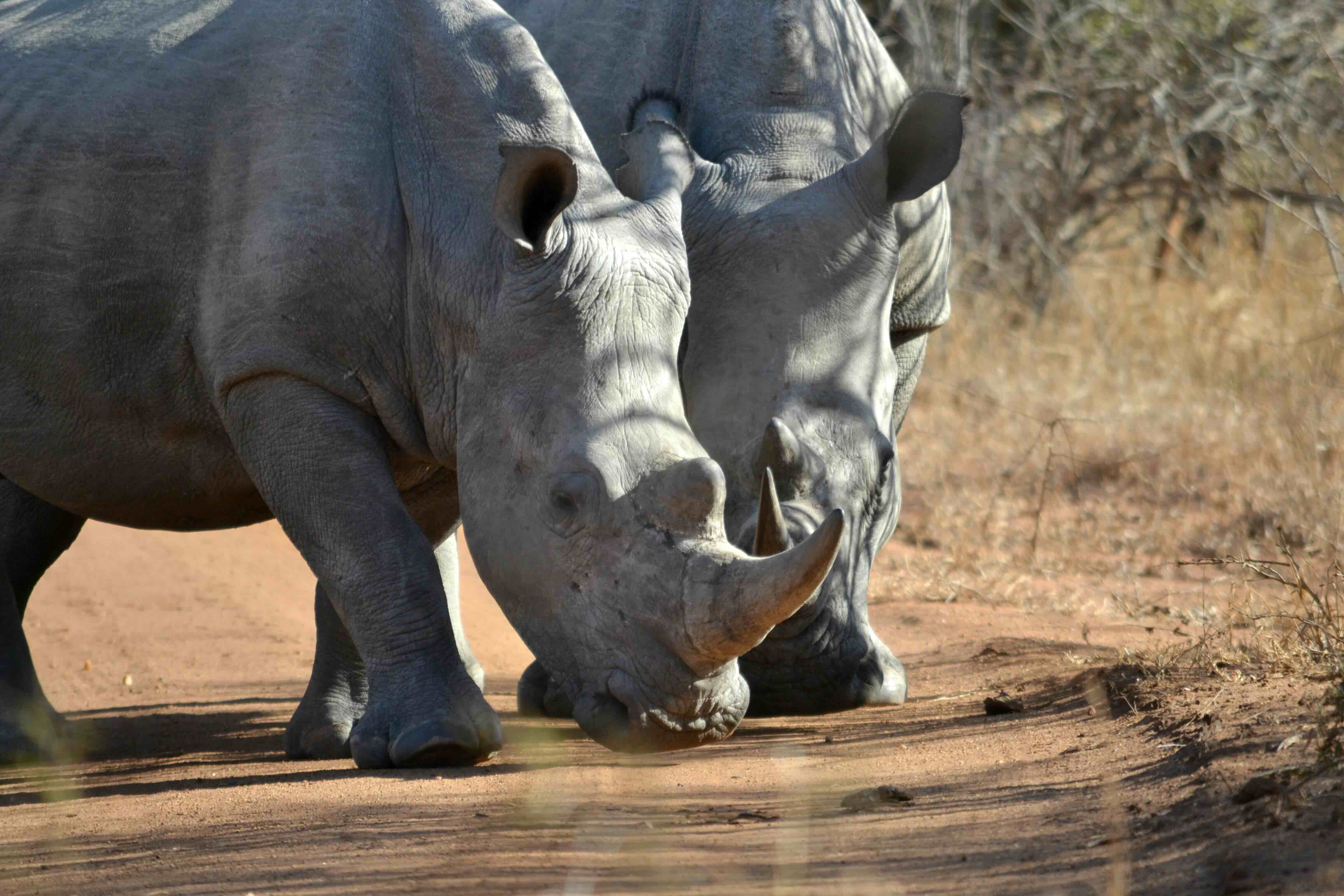
Ol Pejeta Conservancy is one of East Africa’s most important conservation areas. Located between the foothills of Mount Kenya and the Aberdares, it is known for rhino conservation, Big Five wildlife viewing and conservation education.
One of Ol Pejeta’s strongest attractions is its rhino population. The conservancy protects black and southern white rhinos and is also associated with the world’s last remaining northern white rhinos. This makes it an important stop for travellers interested in conservation as well as wildlife viewing.
Ol Pejeta is also home to lions, elephants, buffalo, leopards, giraffes, zebras and many other species. It is one of the few places in Kenya where guests may combine traditional game drives with deeper insight into conservation work.
For families and travellers wanting meaning behind the safari experience, Ol Pejeta is a strong addition. It adds a conservation layer to a Kenya itinerary and works well between Samburu/Aberdare and the Masai Mara or Lake Naivasha.
Best for:
- Rhino conservation
- Big Five viewing
- Family safaris
- Conservation-focused travel
- Longer Kenya safari circuits
Suggested Map2Africa itinerary:
- Highlights of Kenya Safari
Lake Naivasha
Lake Naivasha sits in Kenya’s Great Rift Valley and offers a peaceful change of pace between major safari parks. It is not a traditional Big Five safari destination, but it adds scenery, birdlife and soft adventure to an itinerary.
The lake is known for hippos, waterbirds and beautiful lakeside scenery. Boat rides are a popular activity, allowing travellers to experience the lake from the water and observe birdlife and hippos from a safe distance.
Crescent Island is another popular excursion, where visitors can enjoy guided walking experiences among plains game such as giraffes, zebras and antelope. It is a good way to break up a longer road safari and add variety after several days of vehicle-based game drives.
Lake Naivasha is often used as a stop between Lake Nakuru, the Masai Mara, Nairobi or other Rift Valley destinations.
Best for:
- Boat rides
- Birdwatching
- Rift Valley scenery
- Walking experiences
- Breaking up longer safari drives
Suggested Map2Africa itineraries:
- Highlights of Kenya Safari
- Kenya Adventure Safari
Lake Nakuru National Park
Lake Nakuru National Park is located in the Great Rift Valley and is known for birdlife, rhino protection and scenic lake landscapes. It was originally established to protect the lake and its bird populations, but it has become an important wildlife destination in its own right.
The park is home to black and white rhino, Rothschild giraffe, buffalo, hippos and many bird species. Flamingos may be present depending on water and algae conditions, although numbers can vary.
Lake Nakuru is especially useful for travellers who want to include rhino sightings in a Kenya itinerary. Its compact size also makes it suitable for shorter game drives compared with larger parks like Tsavo or the Masai Mara.
Best for:
- Rhino sightings
- Birdwatching
- Rift Valley scenery
- Short game drives
- Kenya road safari routes
Nairobi
Nairobi is more than just a transit point. It is one of Africa’s most dynamic cities and a practical gateway for Kenya safaris.
Many travellers spend one night in Nairobi before or after safari, especially when connecting with international flights. Depending on time, visitors can explore attractions such as Nairobi National Park, the Karen Blixen Museum, local markets, restaurants and conservation-focused experiences around the city.
Nairobi National Park is particularly unusual because it allows visitors to see wildlife close to a major capital city. This makes it useful for short layovers, pre-safari experiences or travellers with limited time.
Best for:
- Safari starting point
- Overnight stopovers
- Conservation experiences
- City and culture
- Nairobi National Park
Kenya’s Coast
Although Kenya is best known for safari, the coast is a major reason to extend a trip. Destinations such as Diani, Watamu, Malindi and Lamu offer white-sand beaches, warm Indian Ocean waters, Swahili culture and a relaxed end to a safari.
A Kenya bush-and-beach itinerary is ideal for honeymooners, families and travellers who want time to rest after early mornings and long safari days.
The coast combines especially well with Tsavo, Amboseli and Mombasa-based itineraries. Travellers can also fly between Nairobi, the Masai Mara and the coast depending on budget and routing.
Best for:
- Honeymoons
- Family holidays
- Post-safari relaxation
- Diving and snorkelling
- Swahili culture
- Bush-and-beach itineraries
Best Time to Visit Kenya
Kenya can be visited year-round, but the best time depends on what you want to experience. Wildlife viewing, pricing, crowd levels and photography conditions all change throughout the year.
January to March
January to March is generally a strong time for safari. Conditions are often warm and dry, vegetation can be thinner, and wildlife is usually easier to see around water sources.
This period is also good for photography, with clear skies in many regions. It is popular, but not always as busy as the Great Migration months.
Best for:
- General safari travel
- Wildlife viewing
- Photography
- Travellers avoiding peak migration crowds
April to June
April to June is usually associated with Kenya’s longer rainy season. Some areas may become muddy, and travel can be slower depending on road conditions.
However, this period can also bring lush green landscapes, fewer visitors and lower rates at some properties. For travellers who do not mind rain and want a quieter experience, it can still be rewarding.
Best for:
- Lower seasonal rates
- Lush landscapes
- Fewer crowds
- Birdwatching and photography
July to October
July to October is Kenya’s peak safari season and one of the most popular times to travel. This is when the Great Migration is usually associated with the Masai Mara, although exact movement depends on rainfall and natural conditions.
Wildlife viewing is often excellent, and dry conditions can make animals easier to find around water sources. Because this is peak season, travellers should book well in advance, especially for Masai Mara lodges and camps.
Best for:
- Great Migration travel
- Classic safari conditions
- Big game viewing
- First-time safari travellers
- High-demand luxury trips
November to December
November and December usually bring shorter rains. The landscapes become greener, migrant birds arrive, and photography can be beautiful.
This is a good period for travellers who want a balance between wildlife viewing, scenery and lower crowd levels. December holiday dates can become busy and more expensive, so planning ahead is important.
Best for:
- Green-season photography
- Birdwatching
- Softer landscapes
- Year-end travel
- Families during school holidays
Wildlife in Kenya
Kenya is one of Africa’s finest wildlife destinations because it offers both quantity and diversity. Each region has its own character, and the best wildlife experience often comes from combining different parks and reserves.
The Big Five
The Big Five are lion, leopard, elephant, buffalo and rhino. Kenya offers opportunities to see all five, although sightings are never guaranteed.
The Masai Mara is excellent for lion, leopard, buffalo and elephant. Ol Pejeta and Lake Nakuru are strong for rhino. Amboseli is famous for elephants. Tsavo is known for large wilderness and red elephants. Samburu offers both predators and unusual northern species.
Big Cats
Kenya is one of the best safari destinations in Africa for big cats. Lions are regularly seen in many parks, especially the Masai Mara. Cheetahs are often associated with open plains, while leopards are more elusive and usually require patience and experienced guiding.
Elephants
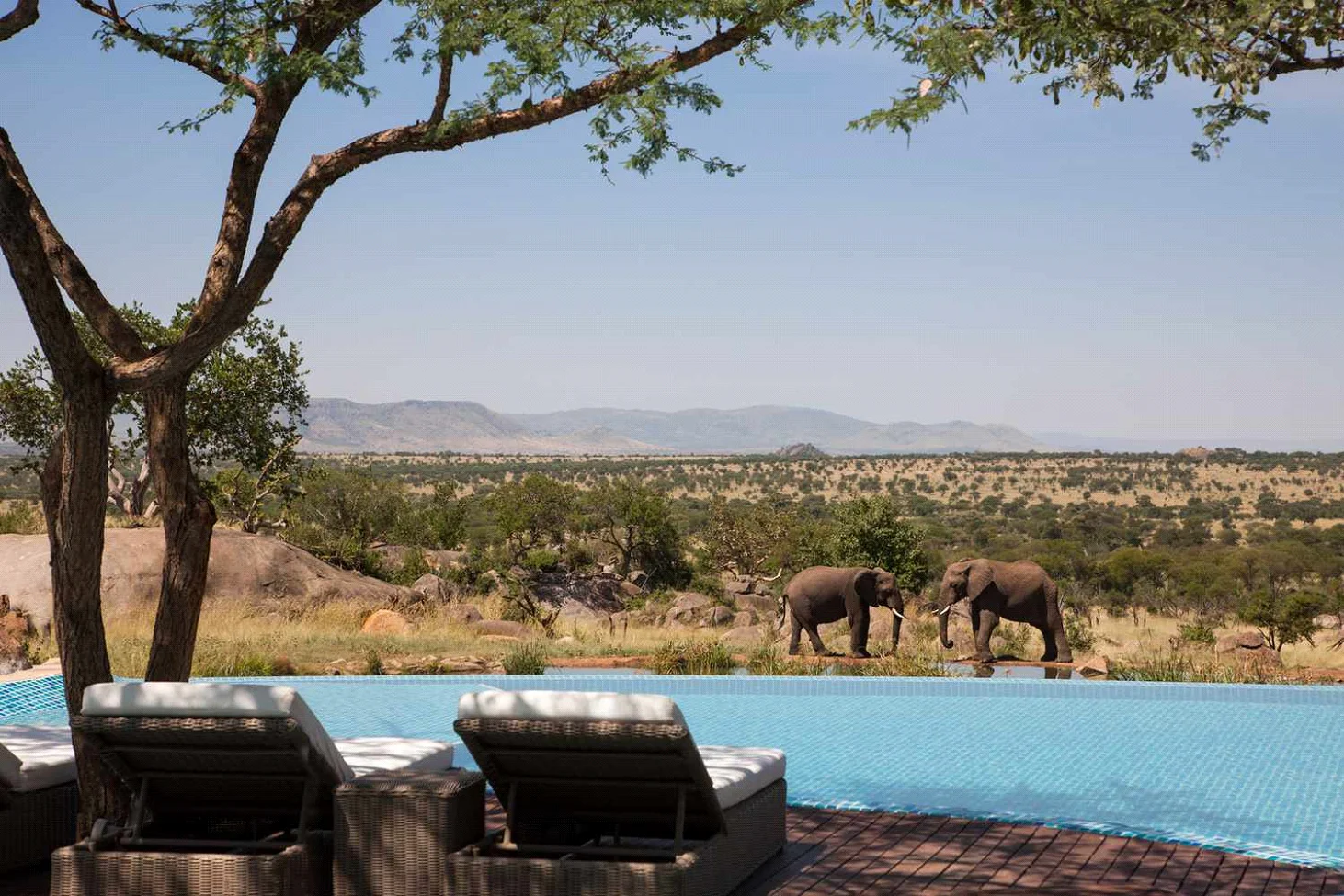
Elephants are one of Kenya’s biggest safari highlights. Amboseli is especially famous for elephant encounters and big tuskers. Tsavo’s red elephants are another major draw, while Samburu, the Mara and other regions also offer excellent elephant viewing.
Rhinos
Rhino conservation is a major part of Kenya’s safari story. Ol Pejeta, Lake Nakuru and other protected areas play an important role in rhino protection. Travellers interested in conservation should consider including at least one rhino-focused region.
The Great Migration
The Great Migration is one of the most famous wildlife movements on earth. Large herds of wildebeest and zebra move through the Serengeti-Mara ecosystem in search of grazing. The Kenya portion is usually associated with the Masai Mara between July and October, although nature does not follow a fixed calendar.
Samburu Special Five
Samburu’s Special Five are a major reason to visit northern Kenya. These species include Grevy’s zebra, reticulated giraffe, Somali ostrich, Beisa oryx and gerenuk. They give Samburu a wildlife identity that feels very different from the Masai Mara or Amboseli.
Birdlife
Kenya is a world-class birding destination, with more than a thousand recorded species. Lakes, wetlands, savannahs, forests and coastal habitats all support different birdlife. Even travellers who are not serious birders often find Kenya’s birdlife adds colour and movement to the safari experience.
Types of Kenya Safaris
Kenya offers many safari styles, and choosing the right one can shape your entire experience.
Road Safaris
Road safaris are one of the most common ways to explore Kenya. Guests travel between parks in a private safari vehicle with a driver guide. This style is ideal for travellers who want to see changing landscapes and visit multiple regions.
Road safaris work well for Amboseli, Tsavo, Lake Naivasha, Lake Nakuru, Samburu, Ol Pejeta and the Masai Mara.
Fly-In Safaris
Fly-in safaris use light aircraft to connect safari regions. They are more expensive but reduce travel time and are ideal for luxury travellers or guests with limited days.
Fly-in safaris are especially popular for the Masai Mara, Samburu and remote conservancies.
Luxury Safaris
Luxury safaris focus on high-end lodges, exclusive locations, excellent guiding, comfort and privacy. They may include fly-in transfers, private vehicles, premium camps, conservation fees and curated experiences.
Mid-Range Safaris
Mid-range safaris offer strong value while still maintaining comfort. This is often the best category for travellers who want good lodges, private guiding and a well-planned route without ultra-luxury pricing.
Family Safaris
Kenya is a strong family safari destination. Amboseli, Nairobi, Lake Naivasha, Ol Pejeta and the Masai Mara can all work well for families, depending on ages and travel style.
Family safaris should consider drive times, child policies, room configurations, malaria precautions, meal flexibility and child-friendly guiding.
Conservation Safaris
Conservation safaris focus on wildlife protection, community tourism and responsible travel. Ol Pejeta is one of the strongest conservation-focused additions to a Kenya itinerary.
Bush-and-Beach Safaris
Kenya is ideal for combining safari with the coast. Travellers can enjoy game drives in the Masai Mara, Amboseli or Tsavo before relaxing in Diani, Watamu, Malindi or Lamu.
How Much Does a Kenya Safari Cost?
Kenya safari costs vary widely depending on accommodation, season, transport style, park fees, group size and whether flights are included.
A short budget or campsite-based safari will cost far less than a luxury fly-in safari using private conservancies and high-end lodges. The same itinerary can also vary significantly between low season and peak season.
Main factors that affect safari cost
- Travel season
- Number of travellers
- Accommodation category
- Park and conservancy fees
- Private vehicle versus shared vehicle
- Road transfers versus flights
- Length of itinerary
- Included meals and drinks
- Level of guiding
- Optional activities such as balloon safaris
Budget safari range
Budget safaris are usually the most affordable way to experience Kenya. They may include campsite stays, simple tented camps, self-catering elements or group transport.
Approximate range:
USD 150–300 per person per day.
This can work well for students, backpackers, adventure groups or travellers who prioritise wildlife over comfort.
Mid-range safari range
Mid-range safaris usually include comfortable lodges or tented camps, guided game drives, meals, park fees and private or small-group safari vehicles.
Approximate range:
USD 300–700 per person per day.
This is often the best balance for many Map2Africa travellers because it offers comfort, strong guiding and reliable safari experiences without moving into ultra-luxury pricing.
Luxury safari range
Luxury safaris may include premium lodges, private conservancies, fly-in transfers, exclusive-use vehicles, high-end dining, private decks, plunge pools and highly personalised service.
Approximate range:
USD 700–2,000+ per person per day.
Luxury pricing can climb significantly during peak migration season or for exclusive camps in private conservancies.
Is Kenya worth the cost?
For most travellers, yes. Safari is not a cheap travel style because it includes remote logistics, conservation fees, specialist guiding, park access, accommodation, meals and transport. However, Kenya offers one of the strongest value ranges in Africa because it has options from entry-level to ultra-luxury.
Is Kenya Safe for Tourists?
Kenya is one of Africa’s most established tourism destinations and receives many international visitors each year. Major safari areas and established tourism routes are generally well managed for visitors, especially when travelling with a reputable operator.
That said, Kenya is still a real-world destination, and travellers should stay informed. Safety conditions can vary by region, and some border or remote areas may carry official travel warnings. Travellers should always check current government travel advice before departure.
For most safari travellers, the key safety advice is simple:
- Travel with a reputable operator
- Follow your guide’s instructions
- Do not walk around wildlife areas unless guided
- Keep valuables secure
- Avoid unnecessary displays of cash or expensive items
- Use official transfers
- Take travel insurance
- Follow current health and entry guidance
On safari, wildlife safety is also important. Guests should remain inside the vehicle unless the guide says otherwise, avoid sudden movements near animals, and never attempt to feed or approach wildlife.
Kenya Entry Requirements
Most travellers need to complete Kenya’s Electronic Travel Authorisation process before travelling. This is not something to leave until the last minute.
Travellers should generally prepare:
- A valid passport
- Passport-style photo or selfie
- Travel itinerary
- Accommodation details
- Contact information
- Payment method
- Return or onward travel details
Entry requirements can change, so travellers should always confirm the latest rules before booking flights or departing.
Map2Africa recommends checking official entry requirements before travel and ensuring your passport has enough validity and blank pages for your journey.
What to Pack for Kenya
Packing well makes a big difference on safari. The goal is to be comfortable, practical and prepared for early mornings, warm afternoons, dust, sun and changing temperatures.
Clothing
Choose neutral colours such as khaki, beige, olive, brown and grey. Avoid very bright colours on safari drives.
Recommended clothing:
- Lightweight long-sleeve shirts
- Comfortable trousers
- Shorts for warmer afternoons
- Warm fleece or jacket for early mornings
- Comfortable walking shoes
- Sun hat
- Swimwear if your lodge has a pool
- Light rain jacket in rainy seasons
Safari essentials
- Binoculars
- Camera and extra memory cards
- Sunscreen
- Sunglasses
- Insect repellent
- Reusable water bottle
- Small day bag
- Personal medication
- Power bank
- Universal adapter
Documents
- Passport
- ETA confirmation
- Travel insurance
- Flight tickets
- Accommodation confirmations
- Emergency contact details
Luggage advice
Soft-sided luggage is often easier for safari travel, especially if light aircraft flights are involved. Even on road safaris, soft bags are easier to pack into vehicles than large hard-shell suitcases.
Kenya for Families
Kenya can be an excellent family safari destination when planned correctly. The key is choosing the right route, accommodation and pace.
Families often do well with itineraries that include shorter driving distances, child-friendly lodges, swimming pools, flexible meal options and engaging wildlife experiences.
Amboseli is popular with families because elephants are often easy to see and the scenery is dramatic. Nairobi works well for arrival nights and conservation experiences. Lake Naivasha offers boat rides and walking activities. Ol Pejeta can be educational because of its conservation focus. The Masai Mara is excellent for older children who can manage longer game drives.
Important family planning points include:
- Minimum age policies at lodges
- Room sharing arrangements
- Malaria precautions
- Drive times
- Meal flexibility
- Child-friendly guides
- Swimming pool supervision
- Travel insurance
For younger children, a slower itinerary is usually better than trying to visit too many parks in one trip.
Kenya for Honeymoons
Kenya is one of Africa’s classic honeymoon destinations because it combines safari, privacy, luxury and beach options.
A honeymoon itinerary might include a luxury Masai Mara camp, a private Amboseli safari, a conservation-focused stay in Ol Pejeta, and a beach extension in Diani or Lamu.
The best honeymoon safaris usually avoid rushing. A good structure might include three nights on safari in one strong wildlife area, followed by three to five nights at the coast.
Luxury touches can include:
- Private game drives
- Sundowners
- Bush breakfasts
- Romantic tented camps
- Beach villas
- Scenic flights
- Private dining
Suggested Kenya Itinerary Lengths
3 Days in Kenya
A 3-day safari is best for travellers with limited time. The Masai Mara, Amboseli or Tsavo West can work well as short safari options.
Best for:
- Weekend-style safari
- Add-on to a business trip
- Short beach-and-bush combination
- First safari taster
5 Days in Kenya
Five days allows a better safari rhythm. Travellers can combine two safari areas or focus deeply on one region.
Best for:
- Southern Circuit Safari
- Amboseli and Tsavo
- Short luxury safari
- Families with limited time
7 to 9 Days in Kenya
This is one of the best lengths for a proper Kenya safari. It allows multiple regions without feeling too rushed.
Best for:
- Highlights of Kenya Safari
- Samburu, Ol Pejeta, Naivasha and Masai Mara
- First-time safari travellers wanting variety
10+ Days in Kenya
With 10 days or more, travellers can combine safari and beach, add private conservancies, or explore both northern and southern circuits.
Best for:
- Honeymoons
- Family holidays
- Luxury travel
- Safari and coast combinations
Responsible Travel in Kenya
Responsible tourism matters in Kenya because safari travel depends on healthy ecosystems, protected wildlife and strong local communities.
Travellers can support responsible tourism by:
- Choosing ethical operators
- Respecting wildlife distances
- Avoiding off-road driving where prohibited
- Supporting conservancies and community projects
- Reducing plastic waste
- Respecting cultural experiences
- Following park rules
- Choosing lodges with conservation commitments
A well-planned safari should not only deliver a memorable guest experience, but also support the long-term protection of Kenya’s wildlife and communities.
Suggested Kenya Safaris with Map2Africa
Highlights of Kenya Safari
This itinerary is ideal for travellers who want a broad Kenya safari experience. It includes major wildlife regions such as Aberdare, Samburu, Ol Pejeta, Lake Naivasha and the Masai Mara.
Best for:
- First-time safari travellers
- Longer Kenya trips
- Wildlife variety
- Rhino conservation
- Samburu Special Five
Southern Circuit Safari
This route focuses on Tsavo West, Amboseli and Tsavo East. It is ideal for travellers starting or ending near Mombasa or looking for a strong southern Kenya safari.
Best for:
- Tsavo and Amboseli combinations
- Elephant viewing
- Mount Kilimanjaro scenery
- Mombasa safari extensions
Amboseli Luxury Safari
A short but powerful safari focused on Amboseli National Park. Perfect for travellers who want elephants, Kilimanjaro views and a compact luxury safari experience.
Best for:
- Short luxury safaris
- Elephant lovers
- Photographers
- Nairobi-based safari extensions
Masai Mara Explorer
A short safari into Kenya’s most famous reserve. This is a strong option for travellers who want a classic Masai Mara experience in limited time.
Best for:
- First-time safari travellers
- Short Kenya safaris
- Big cat sightings
- Classic game drives
Tsavo West Safari
A compact safari into Tsavo West, suitable for travellers departing from Nairobi or Mombasa.
Best for:
- Short safari extensions
- Scenic landscapes
- Tsavo wildlife
- Travellers combining safari with the coast
Frequently Asked Questions About Kenya Travel
What is Kenya best known for?
Kenya is best known for safari, the Masai Mara, the Great Migration, large elephant herds, Mount Kilimanjaro views from Amboseli, rich cultural heritage and Indian Ocean beaches.
What is the best month to visit Kenya?
July to October is the most popular safari period because it coincides with peak wildlife viewing and the Great Migration season in the Masai Mara. January to March is also excellent for general safari travel.
How many days do you need for a Kenya safari?
A short safari can be done in 3 days, but 7 to 10 days is better for a more complete Kenya safari experience. This allows travellers to combine different regions and landscapes.
Is the Masai Mara worth it?
Yes. The Masai Mara is one of Africa’s best wildlife reserves and is especially strong for big cats, open plains, the Great Migration and classic safari photography.
Is Amboseli worth visiting?
Yes. Amboseli is one of the best places in Africa to see elephants and offers iconic views of Mount Kilimanjaro on clear days.
Can you see the Big Five in Kenya?
Yes. Kenya offers strong opportunities to see the Big Five, especially when combining regions such as the Masai Mara, Ol Pejeta, Lake Nakuru and Amboseli.
When is the Great Migration in Kenya?
The Great Migration is usually associated with the Masai Mara between July and October, although exact timing changes each year depending on rainfall and herd movement.
Is Kenya good for first-time safari travellers?
Yes. Kenya is one of the best countries for a first safari because it has excellent wildlife, experienced guides, strong tourism infrastructure and a wide range of accommodation options.
Is Kenya safe for safari tourists?
Most established safari areas are considered suitable for tourists travelling with reputable operators. Travellers should still check current travel advice, use trusted transfers and follow local guidance.
Do I need a visa for Kenya?
Travellers should check the current Kenya entry system before travel. Many visitors are required to complete an Electronic Travel Authorisation before departure.
What should I wear on safari in Kenya?
Wear neutral colours, light layers, comfortable shoes, sun protection and a warm jacket for early morning game drives.
Can children go on safari in Kenya?
Yes, many Kenya safaris are suitable for children, but age policies vary by lodge and activity. Families should choose routes with manageable drive times and child-friendly accommodation.
Can I combine Kenya safari and beach?
Yes. Kenya is one of the best countries for a bush-and-beach holiday. Safaris can be combined with Diani, Watamu, Malindi, Mombasa or Lamu.
Is Kenya expensive?
Kenya can suit different budgets, from entry-level group safaris to ultra-luxury fly-in experiences. Costs depend on season, accommodation, park fees, transport and itinerary length.
Should I choose Kenya or Tanzania?
Both are excellent safari destinations. Kenya is often ideal for first-time safari travellers, shorter itineraries and Masai Mara experiences. Tanzania is strong for Serengeti, Ngorongoro and longer northern circuit safaris. Many travellers combine both.
Final Thoughts
Kenya remains one of Africa’s greatest travel destinations because it offers so much in one country. From the Masai Mara and Amboseli to Tsavo, Samburu, Ol Pejeta, Lake Naivasha and the Indian Ocean coast, Kenya gives travellers the chance to experience wildlife, landscapes, culture and conservation in a way few destinations can match.
The best Kenya safari is not always the most expensive one. It is the one that is planned around your travel style, timing, interests and comfort level. Some travellers want a luxury fly-in safari. Others want a family-friendly road trip, a conservation-focused route, a short Masai Mara escape or a southern circuit from Mombasa.
With careful planning, Kenya can deliver exactly what most travellers hope for when they dream of Africa: meaningful wildlife encounters, beautiful landscapes, warm hospitality and moments that stay with you long after the journey ends.
Map2Africa helps travellers design Kenya safaris that are practical, personal and experience-led, whether you are planning your first African safari or returning to explore a deeper side of East Africa.

.png)